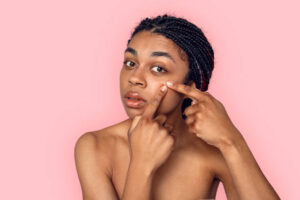
Hormonal acne is a skin condition that occurs because of hormone fluctuations, mainly caused by an increase in androgens like testosterone. It can be quite challenging to manage hormonal acne as it results in regular breakouts that are difficult to control. However, it’s worth noting that this is a common skin condition that affects many women and adolescents. According to Flo Health, around 50% of females aged 20 to 29 and 25% aged 40 to 49 experience acne. Although hormonal acne is typically associated with puberty, it can impact adults at any age, especially during menstruation and menopause.
Hormone imbalance leads to excess oil production and clogged pores, resulting in acne breakouts that can occur frequently, depending on several factors. Therefore, it’s crucial to schedule an appointment with the nearest dermatologist. In this article, we’ll delve into the causes, treatments, and prevention methods of hormonal acne, so you can bid farewell to those frustrating breakouts.
Postinflammatory hyperpigmentation (PIH) treatment for dark skin, whether from acne or not, can be challenging, as many of the treatment options have the tendency to stimulate the production of more melanin. Check out this post for before and after treatment Of PIH From Acne.
Note: While this article provides insights into the symptoms, causes, and potential treatments for hormonal acne, it’s crucial to consult a certified dermatologist or healthcare professional for an accurate diagnosis and personalized treatment plan tailored to your specific needs. Book a consultation with our experienced team today to embark on your journey toward clearer, healthier skin.
What Causes Hormonal Acne?
The primary cause of hormonal acne is hormones! Androgens, specifically. Androgens are male hormones present in both men and women and can cause the oil glands to produce an excess of sebum. This overproduction of sebum can clog the pores and result in frustrating breakouts. Hormonal acne can occur at any age, but it’s most common during puberty, menstruation, pregnancy, and menopause.
Possible Treatments For Acne

Now, let’s talk about treatments. Several options are available to help manage hormonal acne. Your dermatologist may prescribe medication, such as oral contraceptives or anti-androgen medications, to regulate hormone levels. However, some vitamins and supplements have also shown promise in treating hormonal acne, including vitamins A, D, E, and Zinc. However, it’s crucial to speak to a healthcare professional before starting any new supplements. Additionally, a consistent skincare routine with gentle cleansing, exfoliating, and non-comedogenic products can also help reduce acne breakouts.
Read On: Introducing The Skin101 Signature Glass Skin treatment
Methods Of Prevention Of Hormonal Acne
Absolutely! Maintaining a healthy lifestyle is crucial. A balanced diet, regular exercise, and stress-management techniques can all help regulate hormone levels and reduce breakouts. Additionally, avoiding skincare products with harsh chemicals and opting for non-comedogenic products can prevent acne breakouts.
Tip: Maintaining personal hygiene and a healthy diet is the first step to manage hormonal acne effectively. Keeping your skin clean with gentle cleansing routines helps prevent excess oil buildup and reduces the risk of clogged pores. Additionally, maintaining a balanced diet rich in fruits, vegetables, whole grains, and lean proteins provides essential nutrients that support overall skin health. By prioritizing personal hygiene and healthy eating habits, you lay a solid foundation for managing hormonal acne and promoting clearer, healthier skin.
Read On: Chemical Peel: Free insights on what happens when you have a chemical peel
FAQs
Q. Can I use topical treatments for hormonal acne?
A. Yes, there are many topical treatments available that can help alleviate the symptoms of hormonal acne, such as salicylic acid, benzoyl peroxide, and retinoids.
Q. Is it safe to take vitamins and supplements for hormonal acne?
A. Generally, it’s safe to take vitamins and supplements for hormonal acne, but it’s important to consult a healthcare professional before starting any new supplements.
Q. Can hormonal acne go away on its own?
A. Yes, hormonal acne can go away on its own, but it may take some time. Maintaining a healthy lifestyle and consistent skincare routine can help speed up the healing process.
Remember that personalized advice is key to effective treatment. Take the first step towards clearer skin by scheduling a consultation with Skin101.
Our expert dermatologists at No 35 Pope John Paul II Street, Off Gana Street, Maitama, Abuja, Nigeria, are ready to assist you.
Reach out to us at +234-700-754-6101 or 02018870028, or email us at [email protected]. You can also connect with us at +234-908-600-0001.